An invasive species is an introduced organism that becomes overpopulated and harms its new environment. Although most introduced species are neutral or beneficial with respect to other species, invasive species adversely affect habitats and bioregion , causing ecological, environmental, and/or economic damage…
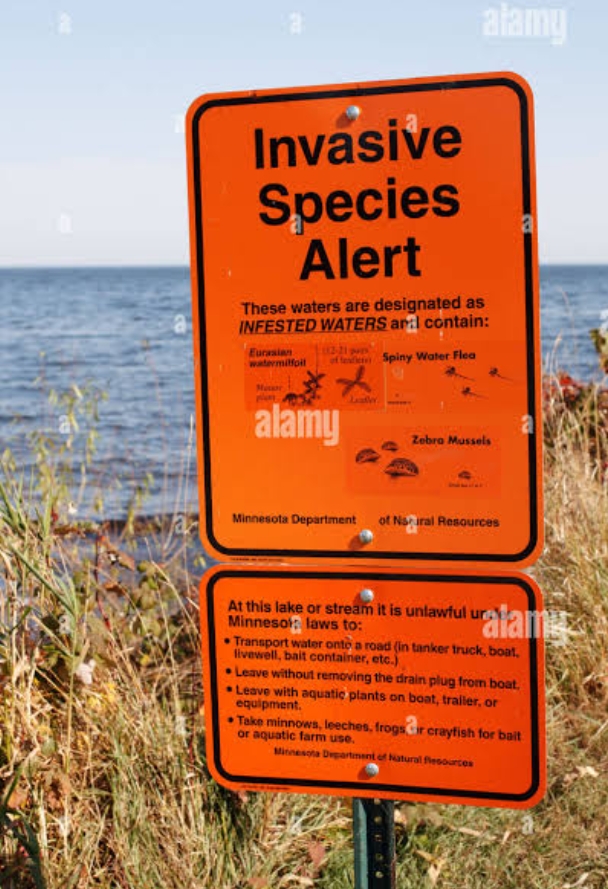
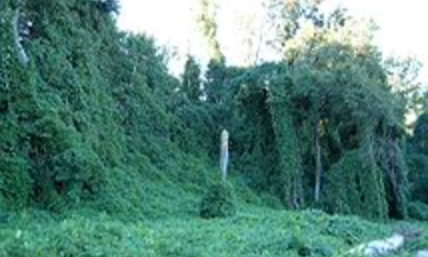
“Invasive species”—they may not sound very threatening, but these invaders, large and small, have devastating effects on wildlife.
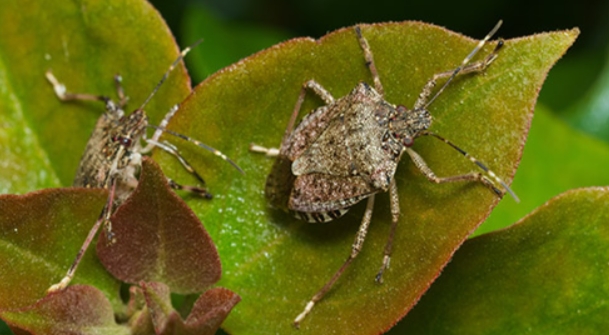
Human health and economies are also at risk from invasive species. The impacts of invasive species on our natural ecosystems and economy cost billions of dollars each year. Many of our commercial, agricultural, and recreational activities depend on healthy native ecosystems.
What Makes a Species “Invasive”?
An invasive species can be any kind of living organism—an amphibian (like the cane toad), plant, insect, fish, fungus, bacteria, or even an organism’s seeds or eggs—that is not native to an ecosystem and causes harm. They can harm the environment, the economy, or even human health. Species that grow and reproduce quickly, and spread aggressively, with potential to cause harm, are given the label “invasive.”
An invasive species does not have to come from another country. For example, lake trout are native to the Great Lakes, but are considered to be an invasive species in Yellowstone Lake in Wyoming because they compete with native cutthroat trout for habitat.
How Invasive Species Spread

Invasive species are primarily spread by human activities, often unintentionally. People, and the goods we use, travel around the world very quickly, and they often carry uninvited species with them. Ships can carry aquatic organisms in their ballast water, while smaller boats may carry them on their propellers. Insects can get into wood, shipping palettes, and crates that are shipped around the world. Some ornamental plants can escape into the wild and become invasive. And some invasive species are intentionally or accidentally released pets. For example, Burmese pythons are becoming a big problem in the Everglades.
In addition, higher average temperatures and changes in rain and snow patterns caused by climate change will enable some invasive plant species—such as garlic mustard, kudzu, and purple loosestrife—to move into new areas. Insect pest infestations will be more severe as pests such as mountain pine beetle are able to take advantage of drought-weakened plants.
BLOG BY : SAMKIT MEHTA
STUDENT : KES SHROff college
 Site Title
Leave a comment